Devutthana Ekadashi 2026: 20 or 21 November? Why the dates differ, how to keep the fast, and waking Vishnu at home
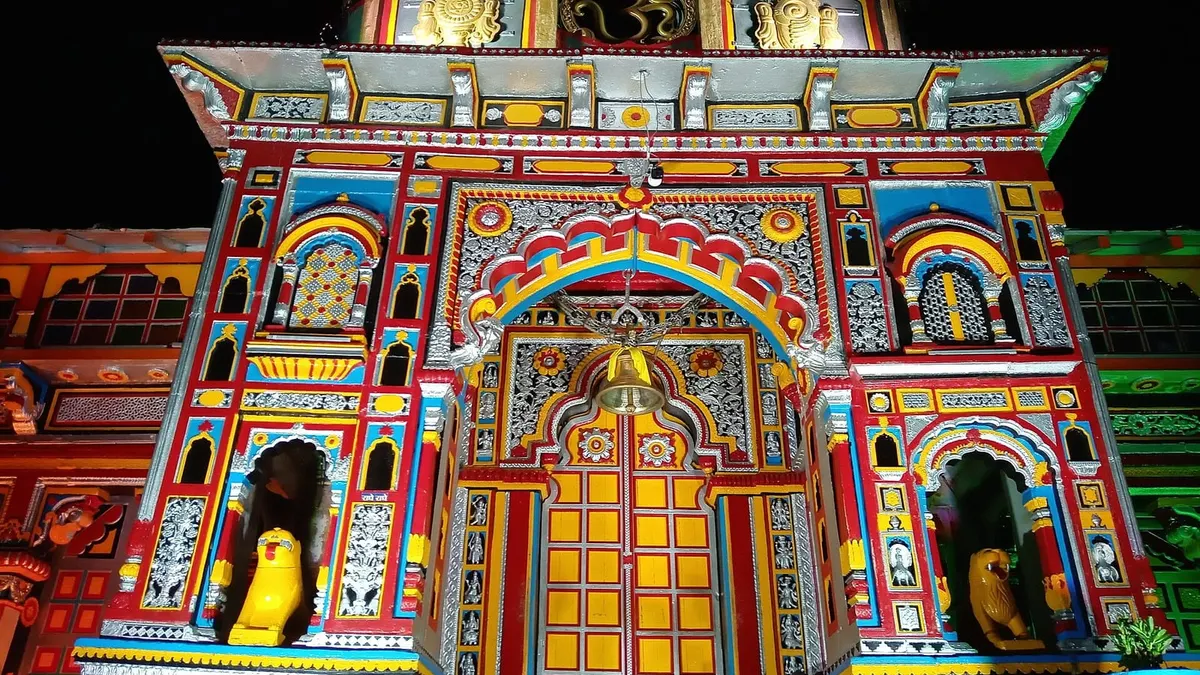
In a lot of north Indian homes, the evening of this Ekadashi smells of sugarcane. Somebody has tied four stalks together over the prayer corner, the floor has a pair of small white footprints painted on it, and a plate holds water chestnuts, sweet potatoes, ber and fresh cane. The idea is simple and very old: for four months Vishnu has been asleep, and tonight the family wakes him up.
The dates
| Tradition and place | Fast day | Parana (breaking the fast) |
|---|---|---|
| General (Smarta), India (IST) | Friday, 20 November | |
| Vaishnava (ISKCON), India (IST, New Delhi) | Saturday, 21 November | Sunday, 22 November, 06:49 to 10:21 |
| Vaishnava, Toronto | Friday, 20 November | Saturday, 21 November, 07:20 to 10:28 local time |
| Vaishnava, Vancouver | Friday, 20 November |
Every date in that table was confirmed by two independent calendars before it went on the site (Drik Panchang and a second panchang for India; Drik Panchang's ISKCON calendar and GCal for the Vaishnava and city dates). The parana window is shown only where the two agree; where a cell is empty, check a local calendar.
Why are there two dates in India?
Both traditions fast on Ekadashi, the eleventh lunar day, but they test the day differently. The general (Smarta) rule takes the Ekadashi that is present at sunrise. The Vaishnava rule is stricter: if the tenth tithi (Dashami) is still running at arunodaya, about an hour and a half before sunrise, the Ekadashi is considered "touched" by Dashami and the fast moves to the next day. This month that rule moves the Vaishnava fast in India to Saturday. Neither side is wrong. Keep the day your family or your temple keeps.
The day after the Smarta Ekadashi, Saturday 21 November, is also Guruvayur Ekadashi in Kerala, and Tulsi Vivah in much of north India.
What the day means
The Devutthana Ekadashi page lists its names: Prabodhini, Devuthani, Dev Uthani and Utthana. "Devutthana" means the rising of the Lord. In the tradition, Vishnu goes into his yogic sleep on Devshayani Ekadashi in Ashadha and wakes on this day, four months later. The months in between are Chaturmas, and Chaturmas ends today.
That is why, in north India, weddings, house-warmings, mundan and naming ceremonies wait for this day. From here the wedding season begins.
In Maharashtra the same day is Kartiki Ekadashi, the second great day of the year at Pandharpur, when lakhs of warkaris come to Vitthal's temple. For many Vaishnavas, the day also begins Bhishma Panchaka, the last five days of Kartika, kept with extra austerity until the full moon.
Waking Vishnu at home: what to keep ready
- Four sugarcane stalks to tie into a small canopy over the prayer place
- Rice paste or rangoli powder to draw Vishnu's footprints on the floor
- Seasonal produce: water chestnut (singhara), sweet potato (shakarkand), ber, amla, fresh sugarcane pieces, other fruit
- A lamp, ghee, incense, tulsi leaves and flowers
- A conch or a small bell, if you have one
- The songs below, open on a phone or printed
The order of the evening puja
- Clean the prayer space. Draw a pair of small footprints (Vishnu's feet) leading towards the altar.
- Tie the four sugarcane stalks together at the top, over the altar or the tulsi plant.
- Place a picture or murti of Vishnu or Krishna, a lamp and the plate of seasonal produce.
- Light the lamp and incense. Offer tulsi leaves and flowers.
- Wake the Lord: blow the conch or ring the bell, and sing. Families in different regions have their own waking songs; any kirtan to Vishnu is right.
- Arati. Then the produce is distributed as prasad after the fast is broken.
Keeping the fast
- What is avoided: grains and beans (rice, wheat, dal) in most traditions, along with onion and garlic.
- What many people eat: fruit, milk, nuts, and fast foods like sabudana and potatoes, depending on family custom. Some keep the day nirjala (without water). Choose what your health allows.
- The night: many devotees stay up late singing (jagaran), especially in temples.
- Parana: break the fast the next morning inside the window in the table, and start with something light.
If you are unwell, pregnant, elderly or on regular medication, talk to your doctor and your elders about a lighter fast. That is also part of the tradition.
Songs and prayers for Ekadashi
- Sri Hari Vasare Hari Kirtana Vidhana, the Hari Vasara song
- Suddha Bhakata Carana Renu
- Vishnu Sahasranama Stotram
- Om Jai Jagdish Hare
- Harinamastakam, which begins Sri Kesavacyuta Mukunda
The Vishnu Sahasranama is long. On a fasting day, many people find it easiest in the late afternoon, once the hunger has settled.
In North America
In Toronto and Vancouver the Vaishnava fast is on Friday 20 November, a day earlier than in India, and the Toronto parana is on Saturday morning from 07:20 to 10:28. Many temples hold kirtan on the Friday evening; check yours. On the Ekadashi page, set Dates for to your city and Tradition to the one you follow; the site remembers it.
Questions people ask
Is Devutthana Ekadashi on 20 or 21 November 2026? In India, Friday 20 November for the general (Smarta) fast and Saturday 21 November for the Vaishnava fast. In Toronto and Vancouver, Friday 20 November.
Can weddings be held from Devutthana Ekadashi? In north Indian custom, the wedding season reopens after this day. Your family priest will choose the actual muhurat.
Is Tulsi Vivah on the same day? Many families do it on the Ekadashi evening, many on the next day, Dwadashi. The site lists Tulsi Vivah on Saturday 21 November in India.
What should I eat to break the fast? Something light within the parana window: fruit, a little milk, or whatever your family uses. Avoid a heavy meal first thing.