Sankashti Chaturthi on Friday 27 November: how to keep Ganesha's monthly fast, from durva to the moonrise arghya
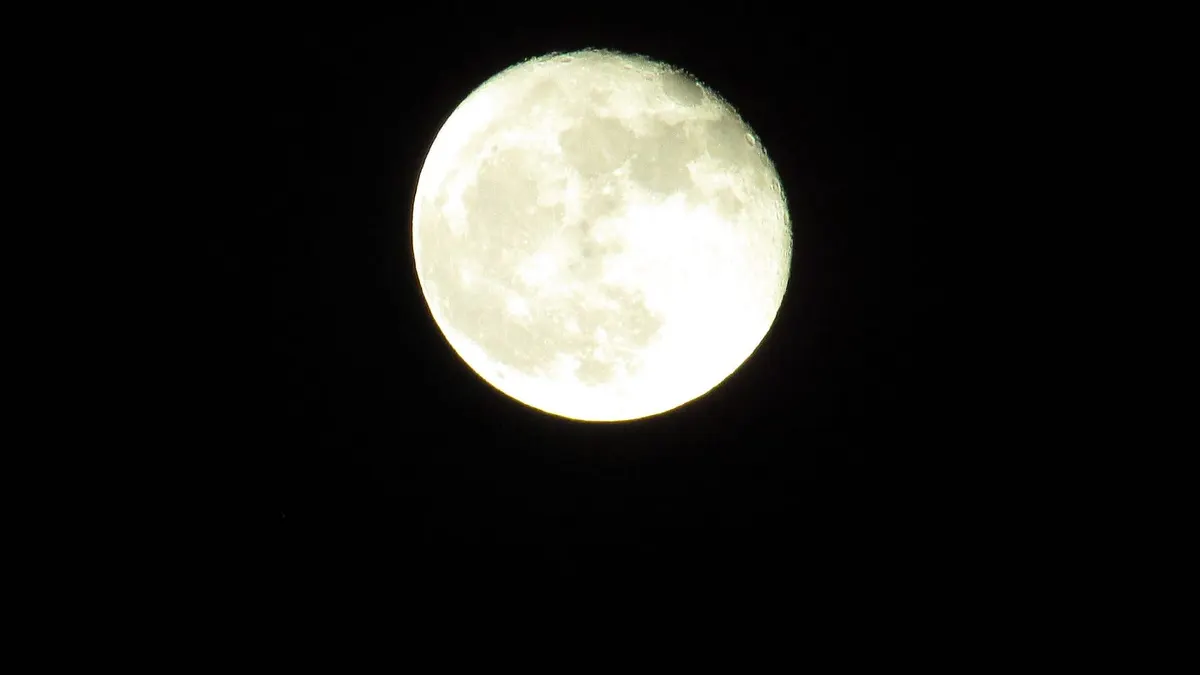
At about nine at night, a family in Pune is standing on the building terrace, looking east over the water tanks. The grandmother has a small steel lota of water with a few grains of rice and a flower in it. Everyone has been fasting since morning. Then someone spots it, low and orange behind a tower: the moon. The water goes up as an offering, everyone folds their hands, and the grandmother says, "Chala, jevuya." Let's eat.
That is Sankashti Chaturthi, the fast that ends when the moon rises.
The dates
| Observance | Date (India, IST) |
|---|---|
| Sankashti Chaturthi (Ganadhipa) | Friday, 27 November 2026 |
| Vinayaka Chaturthi | Sunday, 13 December 2026 |
| Sankashti Chaturthi (Akhuratha) | Saturday, 26 December 2026 |
Dates are from the site's vrat data, where two panchangs agree. The Sankashti Chaturthi page and the Vinayaka Chaturthi page list every one in the year.
There are two Ganesha days every lunar month. Sankashti ("deliverance from trouble") is the fourth day of the waning moon, kept with a fast that ends after moonrise. Vinayaka Chaturthi is the fourth day of the waxing moon, kept with a puja, usually around midday. When Sankashti falls on a Tuesday it is called Angaraki (Angarki) Sankashti, and devotees hold it the most auspicious of all.
What devotees pray for
Sankashti is the fast people keep when something is stuck: an exam, a job, a court case, a child's health, a long family quarrel. Many keep it every month for a year as a vow. Ganesha is the remover of obstacles, and the tradition is that a steady, quiet monthly fast is how you ask for his help. It is faith and discipline, not a guarantee.
What to keep ready
- A picture or small murti of Ganesha
- Durva grass, ideally 21 blades, tied in small bunches; red flowers (hibiscus if you can find it)
- Kumkum, haldi, sandal paste, a lamp, incense
- Modak or laddoos (til laddoos are good in winter), and a banana or seasonal fruit
- A lota of water with a few grains of rice, a flower and a little milk, for the moon
- The Sankashti katha, if your family reads one (many Marathi households have a small booklet)
The order of the day
- Morning: bathe, and take the vow (sankalpa) for the fast before the prayer lamp.
- During the day: fast as your family does. Many keep a phalahar fast: fruit, milk, sabudana khichdi, peanuts, potatoes, rajgira. Some drink only water. Grains are avoided.
- Evening puja: after sunset, offer the durva, flowers, kumkum and modak to Ganesha. Read the katha or sing an aarti (list below).
- Moonrise: go outside or to a window facing east. When the moon is visible, offer the water from the lota towards it (the chandra arghya), with folded hands.
- Break the fast: eat the prasad first, then dinner. Many families keep the dinner simple and sattvic.
If clouds hide the moon, many families offer the arghya at the moonrise time given in their panchang, facing the direction where the moon should be.
Finding moonrise
On Sankashti the moon rises a few hours after sunset, and the time depends on your city: Kolkata and Mumbai can be about an hour apart on the same evening. The site does not calculate moonrise yet, so check a panchang for your own city or ask your temple, and set an alarm a few minutes before. Keep dinner ready by then, so the fast doesn't stretch further while the rice cooks.
Regional practice
- Maharashtra: Sankashti is kept most widely here. The Siddhivinayak temple in Mumbai and the eight Ashtavinayak temples near Pune draw long queues, especially on Angaraki.
- Tamil Nadu and Karnataka: the same fast is often called Sankatahara Chaturthi, and many temples hold a special abhishekam for Vinayakar in the evening.
- North India: the big one is Sakat Chauth in Magha (January), when mothers fast for their children. The monthly Sankashti is kept by fewer families, but the method is the same.
Do's and don'ts
- Do offer durva; the tradition holds it dearer to Ganesha than any flower.
- Don't offer tulasi to Ganesha; most families follow this rule.
- Do keep the fast in a way your health allows. A diabetic, pregnant or elderly person can keep a fruit-and-milk fast, or simply do the puja, with the family's and doctor's agreement.
- Don't skip the arghya even if you had to eat earlier for health reasons. The offering is the heart of it.
Prayers for the evening
- Sankatanashana Ganesha Stotram
- Ganapati Atharvashirsha
- Jai Ganesh Deva, the Hindi aarti
- Ganesha Mantra
- Ganesha Pancharatnam
Abroad
We do not give North American dates for Sankashti: the site has no second calendar for it there, and moonrise is so local that the day itself can shift. Use a panchang set to your own city, or your temple's calendar. In Canada and the northern US, winter clouds often hide the moon, and most families then offer the arghya at the panchang time.
Questions people ask
What is the difference between Sankashti and Vinayaka Chaturthi? Sankashti is on the fourth day of the waning moon and the fast ends after moonrise. Vinayaka Chaturthi is on the fourth day of the waxing moon, with a daytime puja.
Can I drink water during the Sankashti fast? Most people do. Some keep it without water. Follow your family's custom and your health.
What if I can't see the moon? Offer the arghya at the moonrise time in your city's panchang, facing east.
Which Sankashti is the most important? Angaraki, when it falls on a Tuesday, and Sakat Chauth in Magha.