Tulsi Vivah 2026 on Saturday 21 November: the wedding of tulasi and Shaligram, step by step at home
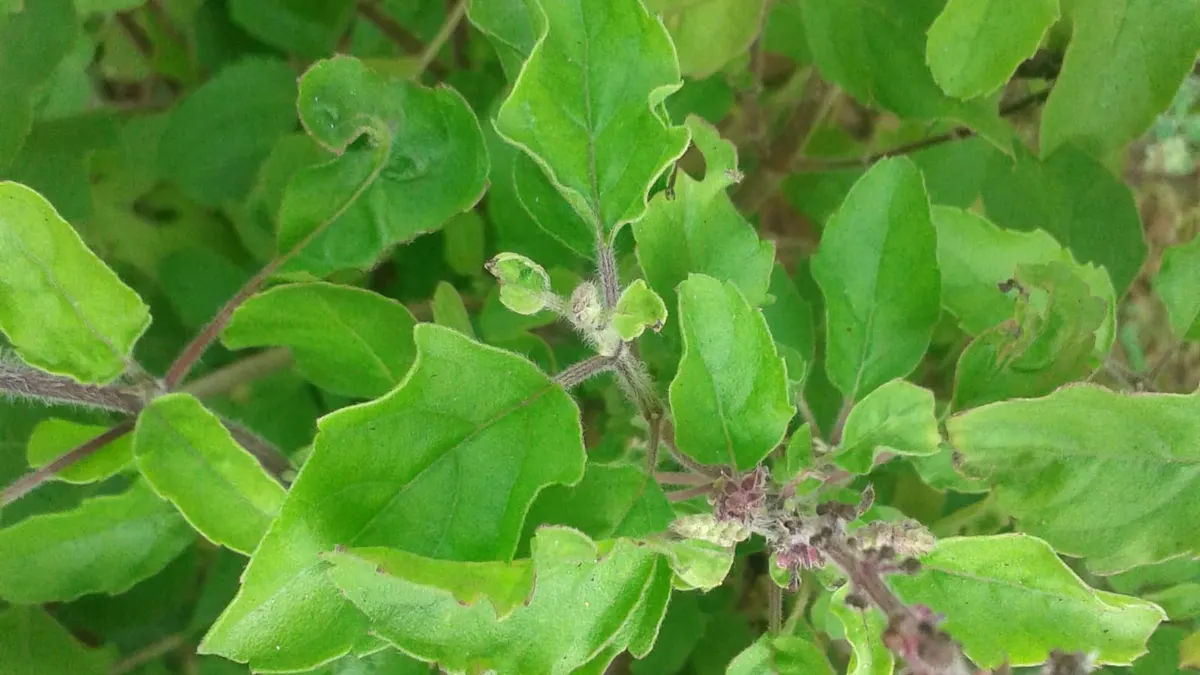
The tulasi pot has been painted, the plant has a tiny red chunari pinned around it, and somebody has drawn a face on a round of paper with a bindi and a nose ring. Four sugarcane stalks lean together over the pot like a mandap. The groom is a small black stone in a silver box, wearing a scrap of yellow cloth as a dhoti. Aunties are already arguing about who will sing the wedding songs. This is the one wedding of the year where nobody worries about the guest list.
The date
Tulsi Vivah: Saturday, 21 November 2026, India (IST), as the site's festival data has it from two agreeing panchangs. The Tulsi Vivah page has the dates in coming years.
The wedding may be held on any evening from Devutthana Ekadashi to Kartik Purnima, and the day differs by region and family. This year that window runs from Friday 20 November (the general Ekadashi) to Tuesday 24 November (the full moon). In Andhra Pradesh and Telangana it is kept mainly on Kartika Shukla Dwadashi. Keep the day your family keeps.
The story behind it
The story most families tell, found in versions in the Skanda, Padma and Shiva Puranas, is about Vrinda, the devoted wife of the asura Jalandhara. Her faithfulness made her husband impossible to defeat, until Vishnu broke it by a trick. Vrinda cursed him and gave up her life. In the popular tradition she was reborn as the tulasi plant, and Vishnu, in the form of the Shaligram stone, married her. Tulsi Vivah re-enacts that wedding every Kartika.
What to keep ready
- The tulasi plant, cleaned, with fresh soil on top if needed; the pot washed or painted
- Four sugarcane stalks for the mandap, and a little string to tie them
- For the bride: a small red chunari or a piece of saree cloth, bangles, a bindi, sindoor, a small mangalsutra or a black-bead thread
- For the groom: a Shaligram, or a small murti or picture of Vishnu or Krishna, with a piece of yellow cloth
- A cotton thread (mauli) to link the two
- Lamp, ghee, incense, flowers, haldi and kumkum
- Prasad: sugarcane pieces, amla, water chestnuts, seasonal fruit, a sweet; some families make a full wedding meal
- A plate of rice grains mixed with a little kumkum (akshata) for the guests to shower
The wedding at home, step by step
- Many women fast until the evening. Bathe, and dress as you would for a family wedding.
- Tie the sugarcane mandap over the tulasi pot and decorate it with flowers or mango leaves.
- Dress the bride: the chunari, bangles, bindi and sindoor.
- Bathe the Shaligram (or the murti) and dress him in the yellow cloth. Place him on a small plate next to the tulasi.
- Light the lamp and incense. Offer haldi, kumkum and flowers to both.
- Kanyadaan: the person who "gives away" the bride holds the tulasi's hand, so to speak, and offers her to the groom. In many families this is done by a couple who have no daughter, and the tradition holds it as a great blessing for them.
- Link the two with the cotton thread.
- Pheras: carry the Shaligram around the tulasi pot, usually seven times, while the women sing wedding songs or a kirtan.
- Shower the akshata on the couple. In Maharashtra a cloth is held between them while the Mangalashtaka verses are sung, and lowered at the end, with everyone clapping.
- Arati, then prasad and the wedding meal.
How it is kept in different places
- Saurashtra (Gujarat): in some temples a procession (barat) carries the groom's image in a palanquin to the bride's temple, bhajans are sung all night, and the barat returns the next morning with the tulasi. People hoping for a child often take the part of the bride's parents.
- Maharashtra: the evening ceremony with the Mangalashtaka and "Savadhan!" at the moment of marriage, done mostly by women, often with a whole housing society attending.
- Bihar: some villages hold a multi-day Tulsi Vivah fair with processions and large offerings.
- ISKCON and Gaudiya temples: a decorated Tulasi Devi is wed to Krishna or a Shaligram with kirtan, and devotees circle her singing.
Do's and don'ts
- Do keep the tulasi in the pot during the ceremony; don't uproot or cut it.
- Don't pluck tulasi leaves after sunset, as most families teach. Pick what you need in the morning.
- Do let the children carry the groom on his pheras. They remember it for years.
- Don't throw the decorations into the plant pot afterwards. Remove the chunari and threads after a few days so the plant can breathe.
Songs for the day
- Tulasi Kirtana, which begins Namo Namah Tulasi Krsna Preyasi
- Vishnu Sahasranama Stotram
- Om Jai Jagdish Hare
The Tulasi Kirtana is short with a gentle tune, and children can learn the refrain in one evening. Open it, tap Kirtan for large text, and sing it while you walk around the plant.
Winter care for your tulasi
Tulsi Vivah falls just as winter sets in across north India, and long before it ends in Canada and the UK. A tired-looking tulasi in December is usually suffering from cold or too much water.
- Light: move the pot to the brightest spot you have, a south-facing window or balcony.
- Cold: frost kills tulasi. In Delhi and Lucknow, cover the plant with a thin cloth on the coldest nights or bring it indoors. In Toronto or Edmonton, tulasi lives indoors from October to May, by a sunny window and away from the heater vent.
- Water: water less in winter, and let the top of the soil dry first. Soggy soil rots the roots.
- Manjari: pinch off the flower spikes if you want more leaves. Many families offer them rather than throw them away.
- Drainage: a pot without a drainage hole is the most common cause of a dying tulasi. Repot this week if you must, before the deep cold.
Abroad
We do not give a separate North American date: the wedding can be held on any evening in the Ekadashi to Purnima window, and families abroad usually pick the weekend inside it, which this year is Saturday 21 or Sunday 22 November. Your indoor plant will do fine as the bride.
Questions people ask
Can unmarried girls do Tulsi Vivah? Yes. Girls and women of every age take part, and many unmarried girls sing and do the pheras with their mothers.
What if I don't have a Shaligram? Use a small murti or a picture of Vishnu or Krishna. Many families do.
Can Tulsi Vivah be done on Kartik Purnima? Yes. The window runs from Devutthana Ekadashi to Kartik Purnima.
Light a lamp near your tulasi this Saturday evening. She has had a long Kartika.